
10 Common Mistakes Entrepreneurs Make When Applying for EB2 NIW
Introduction
Applying for the EB2 NIW (National Interest Waiver) can be a complex process, especially for entrepreneurs who may not be familiar with U.S. immigration laws. Many applicants make mistakes that can delay their applications or even lead to denials. This article outlines ten common mistakes entrepreneurs make when applying for the EB2 NIW and offers tips on how to avoid them.
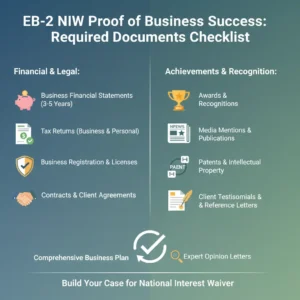
1. Incomplete Documentation
One of the most frequent mistakes is submitting incomplete documentation. Applicants must provide all required forms and supporting documents to demonstrate eligibility.
Tip: Create a checklist of required documents and ensure all items are included before submission.
2. Misunderstanding Eligibility Criteria
Many entrepreneurs misinterpret the eligibility criteria for the EB2 NIW. Some believe that having an advanced degree alone qualifies them, while others overlook the need to demonstrate national interest.
Tip: Carefully review the eligibility requirements on the USCIS website and consult with an immigration attorney if needed.
3. Failing to Provide a Strong Business Plan
A well-structured business plan is crucial for demonstrating how the applicant’s business will benefit the U.S. national interest. Many applicants submit vague or poorly developed plans.
Tip: Invest time in creating a detailed business plan that outlines your business model, market analysis, and projected contributions to the U.S. economy.
4. Ignoring the Importance of Recommendation Letters
Recommendation letters from experts in the field can significantly strengthen an application. However, many applicants either fail to include them or do not choose the right individuals to provide these letters.
Tip: Seek out reputable professionals who can speak to your qualifications and the impact of your work.
5. Underestimating the Role of Evidence
Applicants often submit insufficient evidence to support their claims of exceptional ability or national interest. This can include lacking documentation of achievements or contributions.
Tip: Gather comprehensive evidence, including awards, publications, and any media coverage that highlights your accomplishments.
6. Not Demonstrating National Interest
Many entrepreneurs fail to explicitly connect their business endeavors to the U.S. national interest, which is a crucial requirement for the NIW.
Tip: Clearly articulate how your business will benefit the U.S. economy, create jobs, or address significant national issues.
7. Submitting Late or Inaccurate Forms
Errors in forms or submitting them past deadlines can lead to delays or denials. Attention to detail is critical in the application process.
Tip: Double-check all forms for accuracy and ensure they are submitted on time.
8. Overlooking the Importance of Legal Advice
Some entrepreneurs attempt to navigate the application process without legal assistance, which can lead to costly mistakes.
Tip: Consider hiring an experienced immigration attorney who specializes in EB2 NIW cases to guide you through the process.
9. Failing to Follow Up
After submitting the application, some applicants neglect to follow up on their case status or respond promptly to any requests from USCIS.
Tip: Regularly check the status of your application and be prepared to respond to any inquiries from USCIS.
10. Not Preparing for Potential Interviews
While interviews are not always required for EB2 NIW applicants, being unprepared can lead to missed opportunities.
Tip: If called for an interview, practice answering common questions related to your application and business plans.

Conclusion
Avoiding these common mistakes can significantly enhance the chances of a successful EB2 NIW application. By being thorough, organized, and informed, entrepreneurs can navigate the application process more effectively and increase their likelihood of approval.